
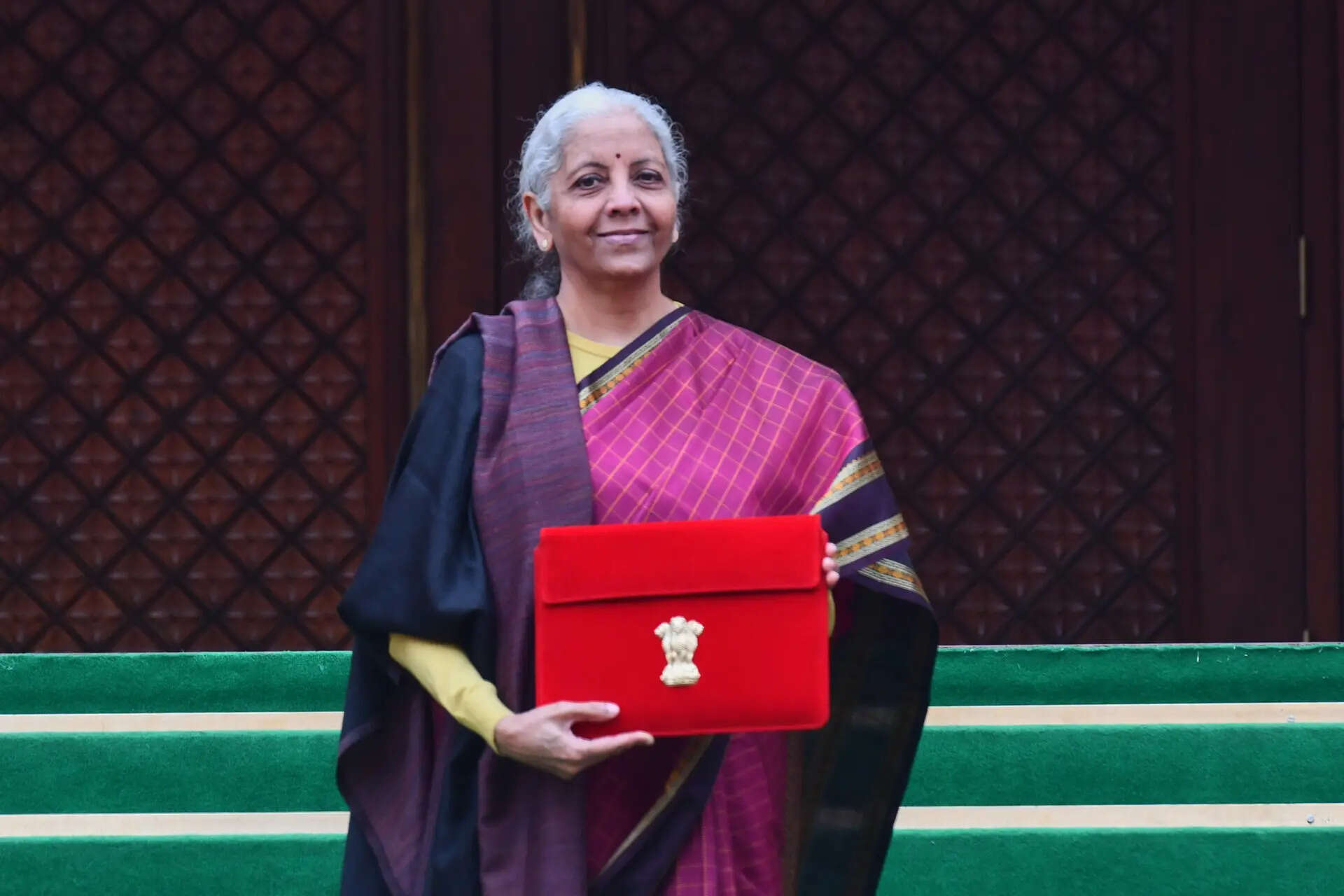
Finance Minister Nirmala Sitharaman presented the budget today, February 1, 2026. One announcement stood out for thousands of Indian families planning overseas education. The government has cut the Tax Collected at Source (TCS) rate under the Liberalised Remittance Scheme (LRS) from 5 percent to 2 percent for remittances made for education and medical purposes above Rs 10 lakh.
In simple terms, sending money abroad for studies just became less expensive. At a time when foreign education costs are rising and access to loans remains uneven, the move is being seen as a practical step to ease short-term financial pressure on households.
Budget 2026 explained: What is TCS?
Tax Collected at Source is a mechanism where banks or authorised dealers collect a small percentage of money when an individual remits funds overseas. The rate depends on the purpose of remittance and is governed by the RBI’s Liberalised Remittance Scheme.
Importantly, TCS is not an extra tax. It is credited against the individual’s total income tax liability when returns are filed. If the amount collected exceeds the actual tax due, the balance is refunded.
However, refunds take time. This amounted to months of locking away huge and huge amounts of money in the families that were setting the tuition fees or blocked accounts. This temporary financial burden is eliminated by the low rate.
What is Liberalised Remittance Scheme?
Liberalised Remittance Scheme permits residents of India to remit up to USD 250,000 per financial year outside the country towards approved personal use. These are education, travelling, health services, presents, and investments.
In the previous regulations, remittances of above 7 lakh were subject to TCS. Thresholds and rates have been changed with time with the education category ultimately having a levy of 5 per cent on top of Rs 10 lakh.
What exactly has changed?
Until now, families remitting more than Rs 10 lakh abroad under LRS for education had to pay TCS at 5 per cent. Under Budget 2026, this rate has been reduced to 2 per cent.Announcing the change, Sitharaman said: “I propose to reduce the TCS rate for pursuing education and medical purposes under the Liberalised Remittance Scheme from 5 per cent to 2 per cent.”
The reduction applies to remittances exceeding Rs 10 lakh and covers both self-funded transfers and loan-backed payments.
This comes after an earlier relief in Union Budget 2025, when the government exempted TCS on education remittances made through loans taken from specified financial institutions. Budget 2026 now extends broader support by lowering the rate itself.
Why this matters for students and families
For many aspiring international students, the biggest hurdle is arranging upfront funds. Take Germany as an example. Students are typically required to maintain more than Rs 12 lakh in a blocked account to prove financial capability. Earlier, transferring this amount meant paying a sizeable TCS, which tied up additional cash until refunds were processed during income tax filing.
With the rate now at 2 per cent, families will need to set aside far less money at the time of remittance. While TCS is adjustable against final tax liability, the immediate cash outflow has always been a concern—especially for middle-income households.
The timing is also significant. According to the statistics of the reserve bank of India, outward remittances on education was sharply decreasing at the end of 2025 to USD 120.94 million in November, which is almost 26 percent lower than in October and more than 54 per cent lower than in September. This indicates an increase in financial conservatism in families.
Meanwhile, the education loan disbursal by the public sector banks has increased by approximately Rs 13,000 crore in FY 202324 since the FY 201920, which suggests that the overseas studies continue to be in demand despite cost pressures.
It is not the solution to all the financial issues of studying abroad, but it reduces the barrier at a critical point in the process.
Against this backdrop, the TCS cut aims to improve affordability at the moment students actually send money abroad.
A small change with real impact
While the policy does not reduce the total tax burden—since TCS is adjustable—it significantly improves cash flow for students and their families. For many, that difference could determine whether plans move forward smoothly or get delayed.
In a global education landscape that is becoming steadily more expensive, the Union Budget 2026 has offered a measure of breathing room. It may not solve every financial challenge tied to studying abroad, but it lowers an immediate barrier at a crucial stage of the journey.
For India’s growing community of international students, that relief could make all the difference.
